

The Evolution of Cricket Playing Styles: From Gentlemen’s Game to Aggressive Mastery
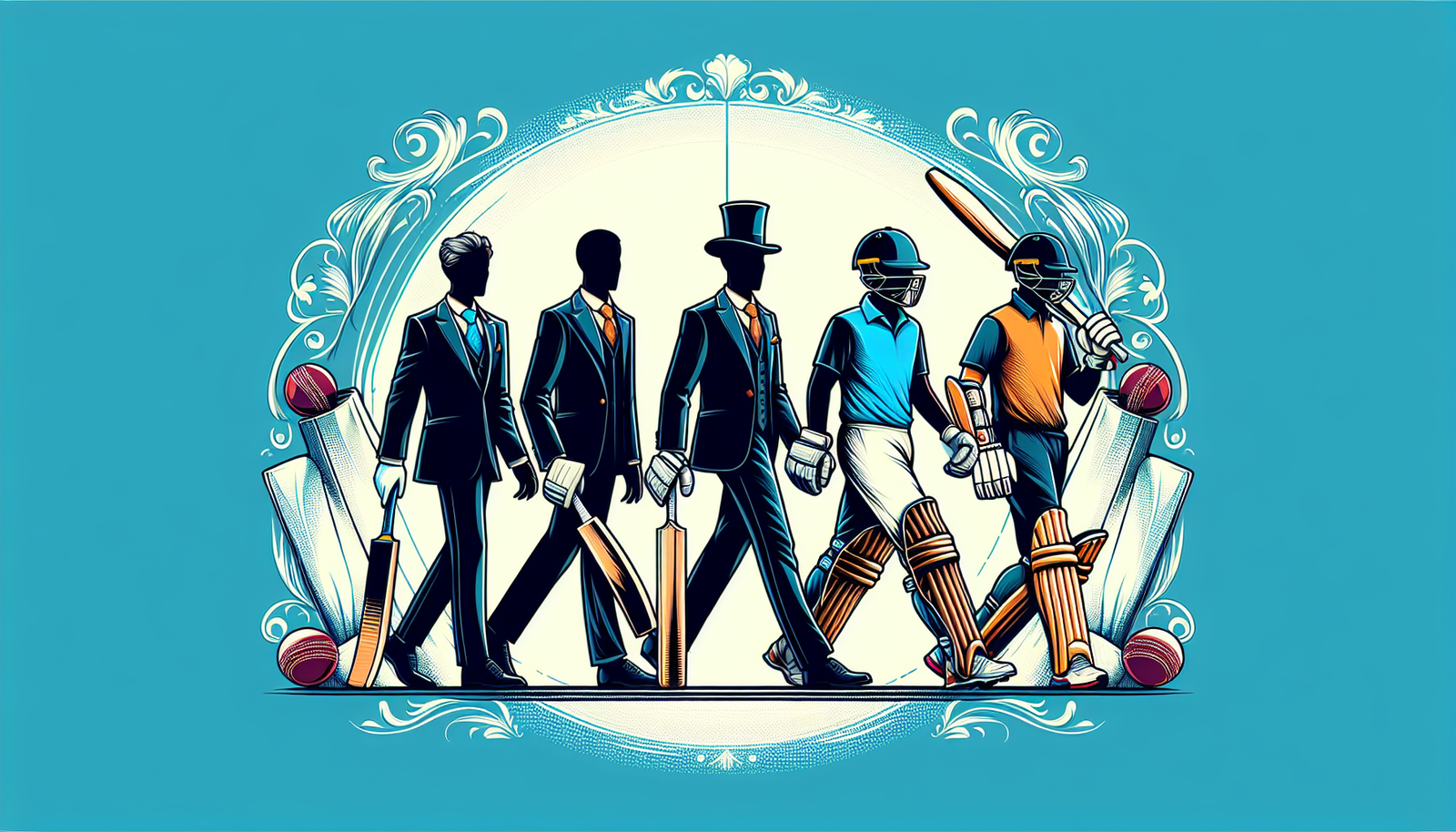
Key Points
- Shift to Aggression: Today’s players embrace aggression and innovation, changing how cricket is played forever.
- Technological Influences: Technology has revolutionized training and playing styles, leading to advanced strategies and performance.
- International Impact: The globalization of cricket has diversified styles, bringing unique cultural elements into play.
The Early Days: Tradition Meets Cricket
Let’s take a stroll back to the 18th century when cricket was just a fledgling sport, played mostly by the upper crust of society. The batsmen of that era were typical gentlemen; they wore coats and hats while wielding thick, heavy bats. The focus then was on batting technique rather than explosive scoring—think of it as the Instagram filter of cricket: all about aesthetics rather than the raw excitement we see today. Matches could stretch on for days, and a slow, strategic approach was the name of the game.
I’ve found that a lot of modern fans overlook how tactical the sport used to be. Scores were often low, as bowlers aimed to produce consistent deliveries, while batters concentrated on defending their wicket rather than seeking runs aggressively. Just to give you an idea, in a Test match between England and Australia in 1882 (the birth of the Ashes, no less), a team scoring 200 runs was considered a monumental achievement.
Now, fast forward to the late 20th century—World Series Cricket introduced an infusion of aggression. Players of caliber like Viv Richards and Ian Botham shook things up with their brash, attacking styles. They were the rock stars of the time! Here’s the thing: they didn’t just score runs; they entertained. This shift set the stage for what cricket would evolve into, pushing boundaries and expectations alike. Aggression became the new norm, and dare I say, the gentleman’s game was morphing into something much more exciting for spectators hungry for action.
Changes in Batting and Bowling Techniques
In those early days, batsmen aimed to defend more than they attacked. It was as if every shot was ruined by the fear of losing the wicket. But by the time the 1970s rolled around, we saw bowlers experimenting with pace and spin while batsmen honed their ability to clear boundaries almost at will. No more gentlemanly caution; it was becoming party time on the pitch!
The ODI Revolution: Shorter Formats, Bigger Styles
Cricket underwent a radical transformation with One Day Internationals. And honestly, who would have thought that wearing colored kits and white balls would take the game to new heights? The evolution of cricket playing styles saw its first substantial shift with limited overs cricket. Ever wondered why it became so popular? Easy—it’s quick, it’s snappy, and it packs the excitement in 50 overs instead of five long days!
I’ll never forget the 1983 Cricket World Cup, when India captured the trophy against all odds. That match marked a monumental change in how the game was perceived—poof! The idea of cricket being solely a gentleman’s sport faded, and before we knew it, cricketers became household names, mega-celebrities with ton records and endorsement deals. We began to see aggressive batting styles that prioritized scoring runs quickly. Players like Kapil Dev and later, players like Sachine Tendulkar exemplified the kind of attacking flair and innovation that became core to batting styles in ODIs.
Here’s the deal: bad pitches or not, if you had a pinch-hitter in your lineup, you were practically guaranteed to get some fireworks! This era also pushed bowlers to adapt and think fast. Yorkers and slower balls became trendy strategies, as bowlers sought ways to counter those aggressive batting tactics. You’ve got to respect how the game’s evolution meant everyone had a part to play—from elegant bails to dauntless bowlers making sure their craft didn’t die with the rising tide of runs.
The Star Batsmen and Their Impact
Batsmen became more than just players; they turned into game-changers and trendsetters. Think about legends like Brian Lara or Ricky Ponting. It was as if they could read the bowler’s mind, predicting them like a magician pulling a rabbit from a hat. Their playing styles would go on to become the gold standard for aspiring cricketers in a rapidly evolving game.
The T20 Boom: Fast, Flashy, and Frenetic
When T20 cricket emerged, boy, did it shake things up! I mean, who’d have thought a format lasting just three hours could turn the game on its head? The reasons for the rise of T20 are manifold, but for me, it’s the adrenaline rush that sold it to millions, blending entertainment and sport into a single cocktail of excitement. Players like Chris Gayle and AB de Villiers heralded this new era, becoming known for their outrageous sixes that seemed to echo around the stadium like thunder.
T20 has resulted in the emergence of players redefining traditional cricketing techniques. Ever seen a reverse sweep for six? That’s a T20 speciality folks! As the game pushed players to innovate, we started hearing terms like ‘power hitting’—a skill set all its own. If cricketers in the earlier days were meticulous artists working over time on their masterpieces, T20 stars are more like graffiti artists, bursting onto the scene with their skill and flair, leaving behind the chaos of creativity that gets viewers talking.
I remember watching the inaugural ICC T20 World Cup in 2007 and thinking, ‘What’s happening here?’. Pakistan’s run and India’s success marked a tipping point. Suddenly, fans weren’t just about Test matches or ODIs; they were wild for high-paced action. It became about how quickly a player could turn a match on its head rather than how they could cling to conservative margins. And to tell you the truth, at this rate, we’ll be needing a new dictionary to accommodate all this new terminology for playing styles!
Strategic Changes in Team Composition
Teams began to select specialist roles, focusing on players who can hit hard and bowl quick—total game-changers, you know? The strategy shifted dramatically, with every single player in the squad needing to believably perform in every aspect. The all-rounder became the ultimate weapon. MS Dhoni, anyone?
The Global Game: Cultural Evolution and Styles
Let’s chat about how cricket, as it spread worldwide, morphed into a beautiful tapestry woven with various international influences. Ever wondered why we now see bowlers from Afghanistan throwing googlies that would make anyone’s head spin? It’s all part of the evolution of cricket playing styles! From the bustling streets of Kolkata to the fields of the Caribbean, different regions have infused their unique flair into the game.
Here’s the thing: the influx of players from different countries has transformed styles in ways you wouldn’t believe. South African bowlers, with their pace and bounce, contrast with Indian batsmen’s finesse. And how about those West Indies players? Their flair and charisma are unmatched! You know, back in the day, cricket was often seen through a European lens, but the globalization of the game has highlighted diverse playing styles across cultures.
I recall watching the 2019 Cricket World Cup, and it struck me how many players originated from various countries, all contributing to a rich quilt of techniques and mindsets. The T20 leagues worldwide, especially the IPL, have mashed together different methodologies, resulting in an explosion of creativity. Who would’ve thought a moment of brilliance from a Sri Lankan player could influence an English bowler or an Australian cricketer? The irony? It’s beautiful.
As the sport continues to grow, expect more cross-pollination of styles. The young guns who’ve learned the game by imitating their idols are now the idols themselves who inspire the next generation. The future of cricket playing styles isn’t just about tradition anymore; it’s about blending cultures and creating something powerful and new.
Playing Styles from Emerging Nations
Countries like Afghanistan and Ireland have added distinct elements to the game. The energetic playstyle and cheerfulness have introduced a new vibe, and you can’t help but root for them as they make their way against traditional cricket powerhouses.