
How Technology Is Changing Cricket Analysis
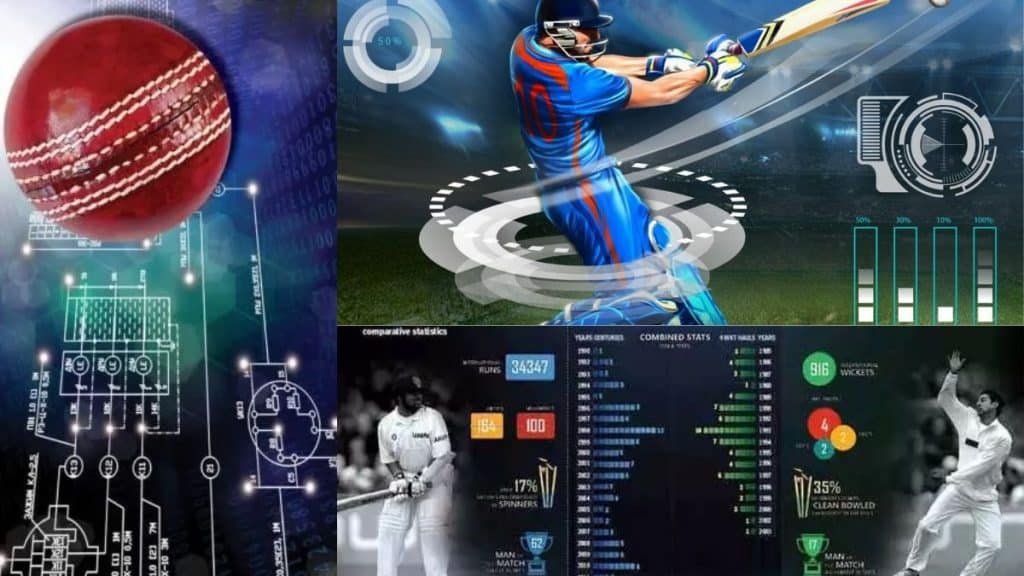
Cricket, a sport historically steeped in tradition and intuition, has been fundamentally transformed by the integration of technology. What was once reliant on a coach’s “eye” and anecdotal experience is now a highly precise, data-driven discipline. This technological revolution has impacted every facet of the game, from umpiring decisions to player training and strategic planning.
Precision and Objectivity in Decision-Making
Perhaps the most visible change is the use of technology for officiating. The Decision Review System (DRS), and its core technologies, have introduced a level of objectivity previously unimaginable:
- Hawk-Eye (Ball Tracking): This computer vision system uses high-speed cameras to track the trajectory of the ball in three dimensions. While initially a broadcast tool, it is now integral to Leg Before Wicket (LBW) decisions, predicting the ball’s likely path to the stumps had the batsman not intervened. This has significantly reduced umpiring errors and controversy.
- Ultra-Edge (Snickometer): This system uses a highly sensitive microphone and slow-motion video to detect faint sounds, primarily for judging if the ball has made contact with the bat (or gloves) before being caught, stumped, or given LBW.
These tools don’t just help umpires; they provide rich data overlays for commentators and viewers, enhancing the analysis of a delivery’s line, length, and movement, making the broadcast experience more insightful.
Data Analytics: The New Strategic Advantage
Coaches and analysts now use massive datasets and powerful algorithms to gain a competitive edge. This has shifted match strategy from mere guesswork to informed, evidence-based planning:
- Performance Metrics: Advanced data analytics go beyond traditional batting averages and bowling economy rates. They break down a player’s performance under specific conditions, such as a batsman’s strike rate against left-arm pace during the death overs, or a bowler’s wicket-taking probability in the middle phase of a T20 innings.
- Opposition Analysis: Teams use historical data to build detailed profiles of opposing players, allowing them to formulate targeted strategies—like specific field placements or bowling lines for a particular batsman known to have a weakness against a certain type of delivery.
- AI and Machine Learning: Artificial Intelligence is beginning to simulate match outcomes, predict player performance under various pitch or weather conditions, and even suggest the optimal moment for tactical moves like a bowling change or the use of a powerplay.
Player Development and Injury Prevention
Technology has moved into the training nets, offering players and coaches real-time, actionable feedback to refine technique and manage fitness:
- Wearable Technology: Devices like GPS trackers and smart vests monitor a player’s physical workload, heart rate, speed, and distance covered during training and matches. This data is critical for injury prevention, helping sports science staff manage training intensity and identify players at risk of fatigue or overexertion.
- Smart Equipment and Biomechanics: Sensors embedded in equipment like bats and balls provide data on bat speed, back-lift angle, and impact location, offering a precise breakdown of a batting technique. Similarly, high-speed cameras and motion sensors analyze a bowler’s action biomechanically to ensure efficiency and reduce the risk of career-threatening injuries.
- Virtual Reality (VR) Training: VR systems can simulate high-pressure match scenarios, allowing batsmen to face virtual representations of specific opposing bowlers in a controlled environment, enhancing their decision-making and mental preparation.
In conclusion, technology has democratized elite-level analysis, moving it out of the exclusive realm of national teams and into grassroots cricket. It ensures a fairer, more transparent game on the field while simultaneously providing unprecedented levels of detail for strategic planning and player development.