How Cricket Evolved in India: From Colonial Pastime to National Obsession
The story of cricket in India is a fascinating narrative, mirroring the nation’s own journey from colonial rule to a global powerhouse. What began as a game introduced by foreign rulers gradually transformed into a national obsession, deeply woven into the fabric of Indian society and culture.
1. The Genesis: Colonial Roots (Late 1700s – Early 1900s)
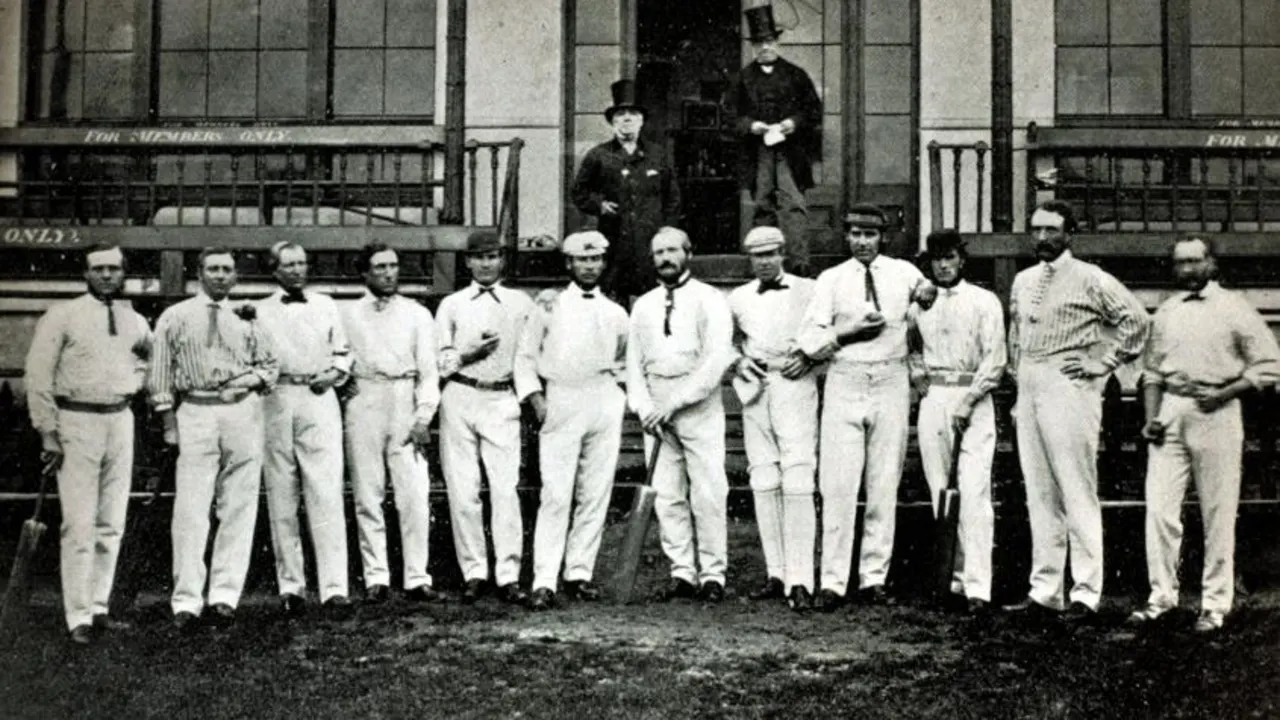
Cricket’s introduction to India can be traced back to the British East India Company in the late 18th century. Initially, it was a sport played exclusively by the British colonizers for recreation.
- First Recorded Match: The earliest recorded cricket match in India was played in 1751 between British army personnel and sailors in Cambay (now Khambhat), Gujarat.
- The Parsis’ Pioneering Role: The Parsi community in Bombay were the first Indians to embrace the sport. They formed the Oriental Cricket Club in 1848, challenging the exclusivity of British clubs. This marked a crucial step in indigenizing the game and overcoming racial barriers.
- Princely States’ Patronage: By the late 19th and early 20th centuries, several Indian princely states began patronizing cricket, establishing teams and even touring England. This period saw the rise of legendary figures like K.S. Ranjitsinhji, whose elegant batting garnered international acclaim and significantly boosted cricket’s appeal in India.
2. Post-Independence: Building a National Identity (1947 – 1970s)
After gaining independence in 1947, cricket became a symbol of national pride, though success on the international stage was intermittent.
- Test Status & Early Struggles: India had already gained Test status in 1932, but the initial decades post-independence were challenging. The team often struggled against established cricketing nations, especially overseas.
- Rise of Spin Wizards: The 1960s and early 70s saw the emergence of the famous Indian spin quartet – Erapalli Prasanna, S. Venkataraghavan, Bhagwath Chandrasekhar, and Bishan Singh Bedi. These bowlers exploited dusty Indian pitches, making India a formidable force at home.
- Sunil Gavaskar’s Era: The arrival of Sunil Gavaskar in the early 1970s marked a turning point. His technique, resilience, and ability to score runs against the most fearsome pace attacks instilled confidence and laid the foundation for future batting dominance.
3. The Turning Point: World Cup Glory and ODI Revolution (1980s – 1990s)
The 1980s were transformational, igniting the nation’s passion for cricket like never before.
- 1983 World Cup Triumph: Kapil Dev’s underdog Indian team’s improbable victory at the 1983 Cricket World Cup against the mighty West Indies fundamentally changed Indian cricket forever. It instilled belief, captured the nation’s imagination, and made cricket a mainstream sport.
- One-Day Cricket Boom: Post-1983, One-Day Internationals (ODIs) gained immense popularity. India became a strong ODI side, known for its flamboyant batsmen and canny spin bowling.
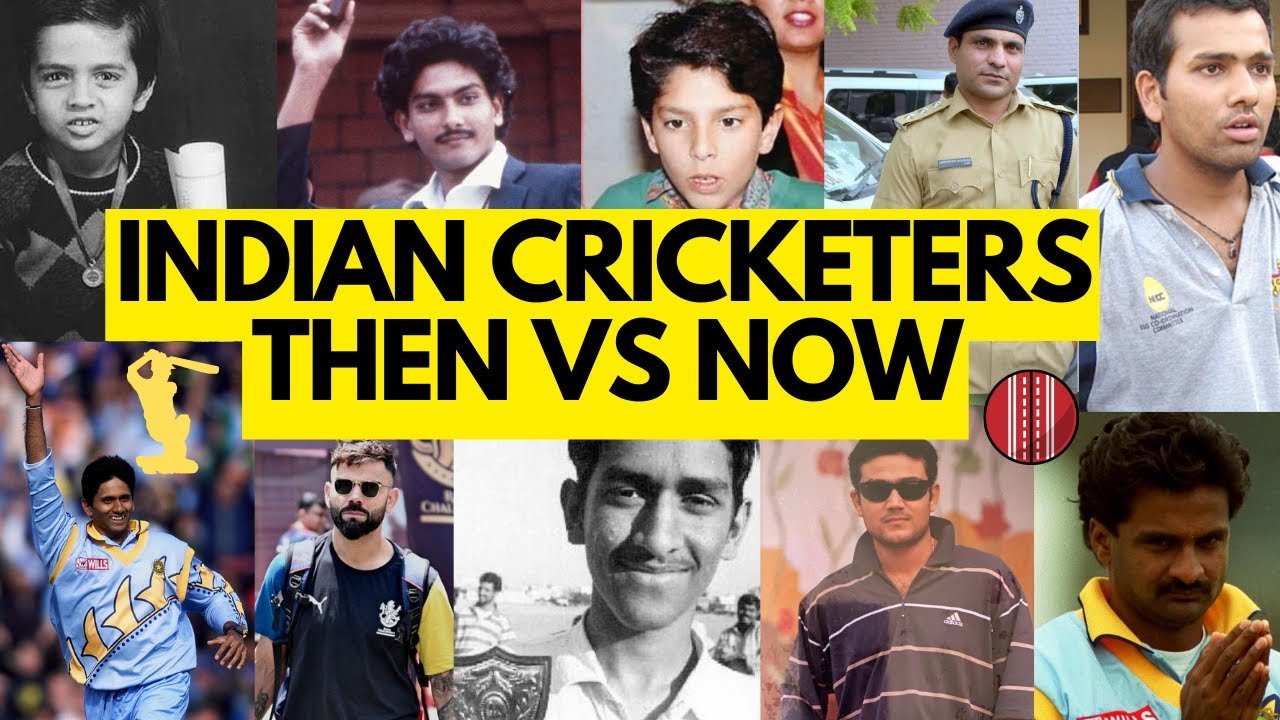
- Entry of Sachin Tendulkar: The debut of Sachin Tendulkar in 1989 ushered in an era of unprecedented batting dominance. Tendulkar, along with other stars like Rahul Dravid, Sourav Ganguly, and Anil Kumble, transformed Indian cricket into a global force.
4. Global Dominance & Commercial Powerhouse (2000s – Present)
The 21st century has seen India consolidate its position as the undisputed financial and cricketing superpower.
- The BCCI’s Ascendancy: The Board of Control for Cricket in India (BCCI) leveraged India’s massive viewership and passion for the game to become the wealthiest and most influential cricket board globally.
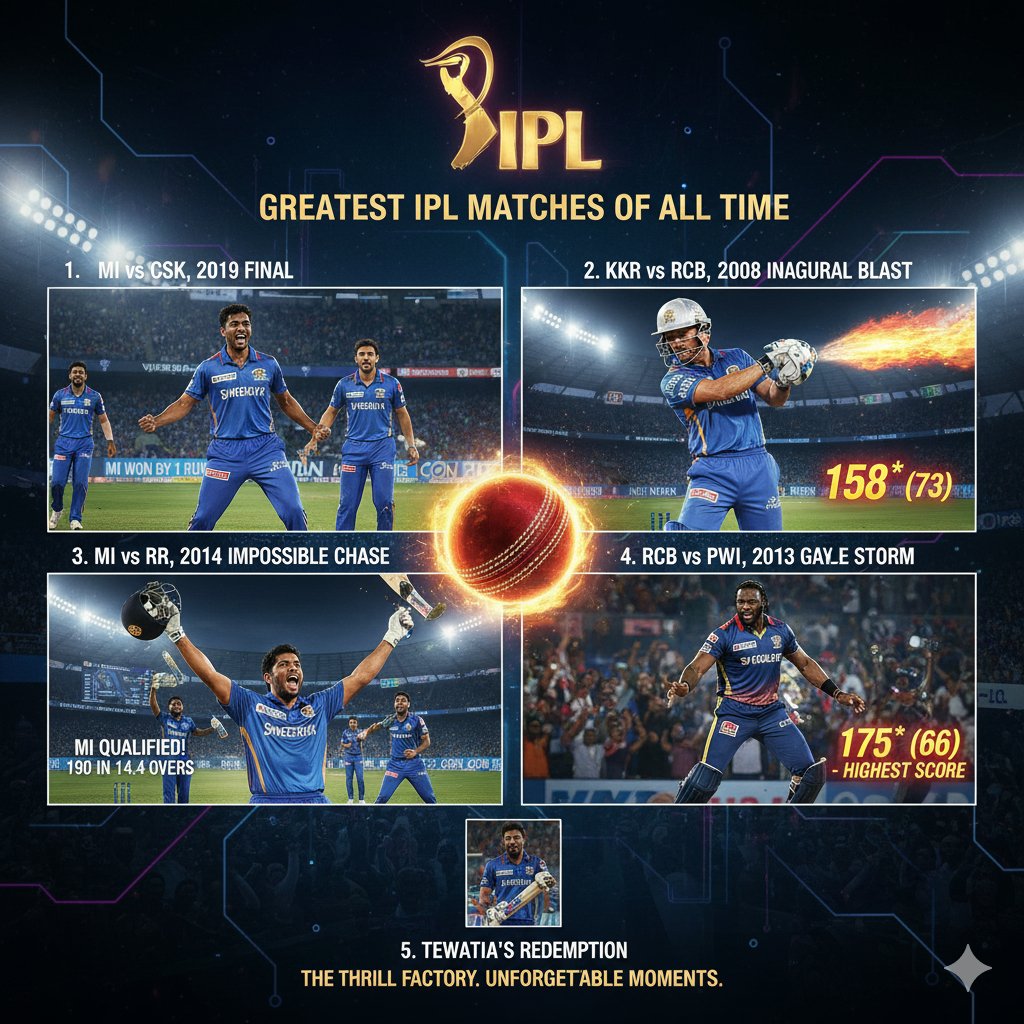
- Rise of T20 & IPL (2007-2008): India’s victory at the inaugural T20 World Cup in 2007 under MS Dhoni cemented its adaptability to the shortest format. This was followed by the launch of the Indian Premier League (IPL) in 2008, which revolutionized T20 cricket and its commercial model globally. The IPL became a massive success, attracting top international talent and unearthing new Indian stars.
- MS Dhoni’s Captaincy Era: Under MS Dhoni, India achieved unparalleled success, winning the 2011 ODI World Cup on home soil and the 2013 Champions Trophy, becoming the first team to hold all three ICC white-ball trophies simultaneously.
- Virat Kohli’s Impact: Virat Kohli took Indian cricket’s fitness and aggressive mindset to new heights, leading India to become a dominant Test force, including historic series wins overseas.
Today, cricket in India is more than just a sport; it’s a religion, a powerful economic engine, and a source of immense national pride, deeply embedded in the nation’s collective consciousness. The journey from a colonial game to a national passion and global phenomenon is a testament to India’s enduring love affair with the willow and leather.